Removal Company in Tooting

Our removal company in Tooting provides practical help for home moves, flat moves and business relocations that need careful loading, sensible planning and steady delivery. We keep the service focused on the real work of moving: lifting, carrying, protecting furniture, arranging transport and placing items where they belong. If you need a straightforward move handled with attention to access, timing and fragile belongings, our team can support that process from the first enquiry through to completion.
We work across a broad set of moving needs, including local house removals, flat removals, furniture moves and office removals. That means we can help with a single heavy item, a full property move or a more organised relocation where desks, files and equipment need to be packed and transferred in a sensible order. Our approach is to match the service to the job rather than forcing every move into the same pattern.
When you are ready to compare options, ask for a quote in plain terms and give the key details for the move. If you are still deciding what level of help you need, a short conversation can clarify whether a smaller vehicle, a larger team or extra packing support is the better fit. Clear information at the outset usually makes the move easier to plan, and it helps us recommend the right service without unnecessary extras.
House and flat removals

House and flat removals need more than transport alone. Furniture has to be handled in the right order, narrow hallways can affect how items are carried, and shared entrances may require careful timing. Our home moving service is set up to deal with those practical points while keeping the process organised. We can move furniture, boxes and household items with a method that suits the size and layout of the property.
For homes with stairs, awkward corners or limited parking, the main challenge is usually coordination rather than distance. We plan loading so that items are protected and moved efficiently, and we can work around the shape of the property where access is less direct. A well-planned removal tends to reduce stress because each part of the move is handled in a logical sequence rather than rushed at the last minute.
We also support moves that need a flexible service structure. A smaller flat move may only need transport and loading, while a larger household move can benefit from more hands, more space and a clearer item list. If you need help deciding what to move yourself and what to leave to the removals team, we can help you think it through before the day arrives.
Packing support and handling fragile items

Packing is one of the most important parts of any move, because the condition of the boxes and wraps affects the condition of what is inside them. Our packing and unpacking services support customers who want help preparing belongings for transport and settling them after arrival. This can be useful for busy households, for moves with breakables, and for anyone who prefers a more structured moving day.
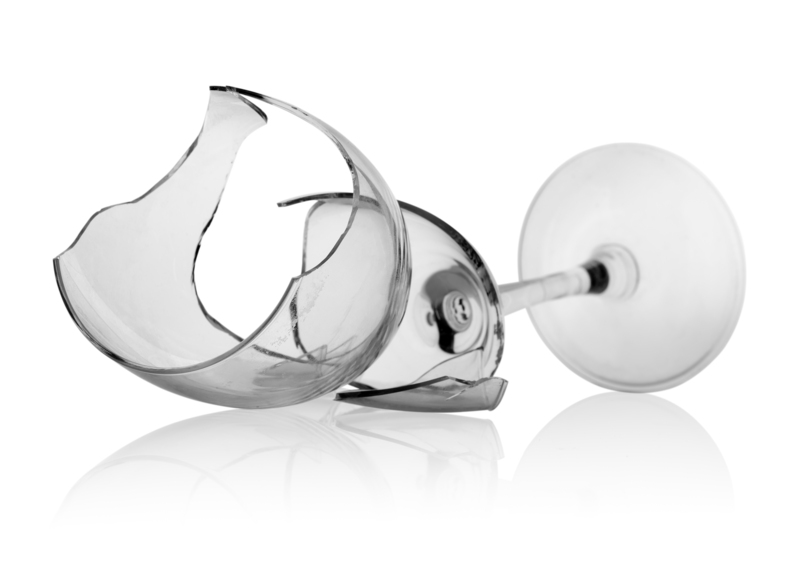
Good packing is not only about putting things into boxes. It is also about sorting by weight, choosing suitable materials, labelling items clearly and protecting surfaces that can scratch or chip. We can help with the handling of glassware, ornaments, books, kitchenware and mixed household contents so that the load remains as stable as possible while it is being carried and transported.
If you prefer to do some packing yourself, it helps to keep a simple order: pack non-essential items first, separate documents and valuables, and keep anything delicate together so it is easy to identify. For many moves, this approach gives a sensible balance between cost control and support. You can still ask us to handle the heavier or more awkward pieces even if you prepare the smaller items in advance.
Furniture removals and single-item moves
Some customers only need help with furniture removals rather than a full house or office move. This may involve one large item, several matching pieces or a room of furniture being transferred to another address. Our furniture removals service is designed for those situations, with attention to safe lifting, careful carrying and sensible vehicle space so that larger items are not forced into unsuitable arrangements.
Furniture moves often depend on dimensions, access and the condition of the item itself. Sofas, wardrobes, tables, cabinets and beds all need different handling, and some pieces may need to be disassembled before loading. We can help with that kind of planning, as well as with the protection of finished surfaces and corners. The aim is to move the furniture in a way that suits its shape rather than treating every item as if it were identical.
For customers who only have a few pieces to move, a smaller-scale service can still be worthwhile when the items are heavy, awkward or time-sensitive. If you are comparing options, ask about the most suitable vehicle size and whether any extra labour will be needed for stairs or tight access. That keeps the quotation based on the work involved rather than on guesswork.
Office and commercial removals

Office removals require a different type of organisation from domestic moves because furniture, equipment and paperwork often need to be moved in a controlled order. Our office relocation services and office removals help businesses move desks, chairs, cabinets and boxed contents while keeping the process practical and manageable. We understand that commercial moves are often arranged around access times, building rules and the need to keep items grouped correctly.
A business move may involve more than transporting furniture. It can include workstations, archive boxes, presentation materials and items that need to arrive in the right room or department. The more clearly the move is planned, the easier it becomes to place items efficiently at the destination. We can work from a straightforward inventory so that teams know what is moving and what must be kept separate during loading and unloading.
If your company is moving between premises, a structured removal plan helps reduce disruption and avoids the confusion that can happen when office equipment is loaded without order. Commercial moves are often best handled with a service that is clear about what is included, how the move will be staged and what support is needed for larger items. That is the basis on which we help businesses choose the right approach.
Vehicle choice, access and route planning
The right moving vehicle depends on the amount of furniture, the size of the property and the access available at each end of the move. Our service can be organised around the load rather than the other way round, which helps avoid unnecessary trips or a vehicle that is too small for the job. In some cases, a compact vehicle is the sensible option; in others, a larger van or truck is better suited to the amount of work.
Access matters just as much as volume. Long carries, stairs, parking restrictions and shared entrances can all affect how the move is handled. By thinking about those details early, the job can be arranged more smoothly and with fewer surprises on the day. This is especially useful where items are bulky, difficult to turn or need to be lifted from upper floors. Careful planning is often the difference between a tidy move and a tiring one.
Our moving support includes practical decisions about route, loading sequence and where items should be placed inside the vehicle. If you are unsure what vehicle size to request, it is sensible to describe the furniture, the number of rooms and any access limits. That lets us suggest a realistic setup without overselling the service or underestimating the amount of work involved.
About Tooting
Tooting is a district in the London Borough of Wandsworth in south London, known for its mix of residential streets, transport links and a long-established high street character. It sits between other well-known parts of south-west London and has developed over time from a settlement on the edge of the capital into a densely built urban area with a distinct local identity. The area is closely associated with Tooting Broadway and Tooting Bec, names that appear in both the Underground network and local place references. Tooting Broadway and Tooting Bec stations are on the Northern line, giving the district two separate rail access points and reflecting the way movement through the area has long been shaped by public transport.
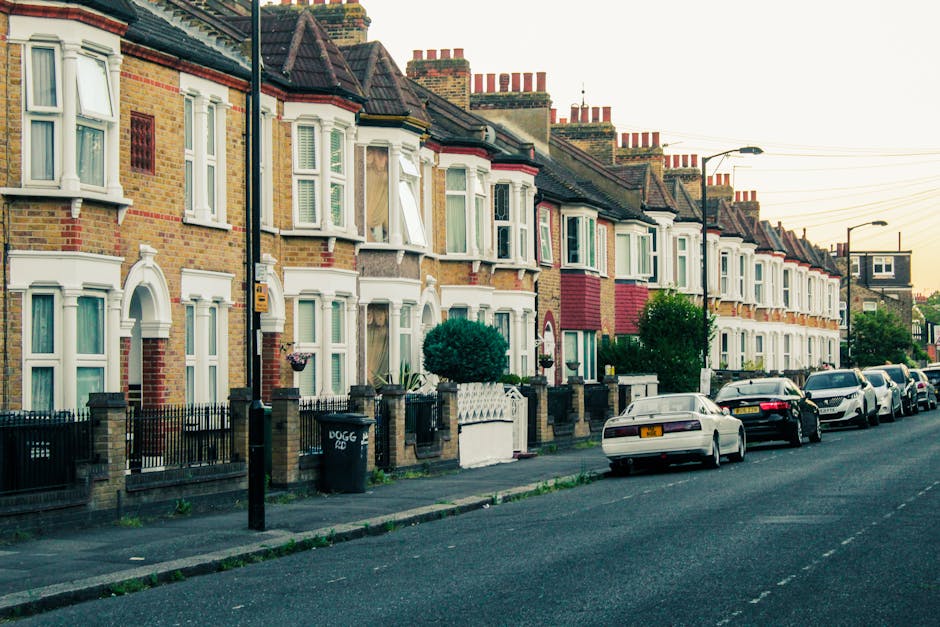
The local street pattern includes Victorian and Edwardian terraces, interwar housing and later redevelopment, so the built environment is varied rather than uniform. Tooting High Street is one of its defining thoroughfares, with a busy retail frontage and a strong commercial strip that has historically supported everyday shopping and services. Nearby, Tooting Market has become a familiar local landmark, while the area’s food culture is often associated with South Asian restaurants, groceries and takeaway businesses that reflect broader demographic change in south London. Tooting Commons and nearby open spaces provide green relief within an otherwise urban landscape, and the common land around Tooting Bec remains an important part of the district’s recreational character. Together, these elements give Tooting a mixture of transport connectivity, dense housing and local activity that has shaped its appearance and daily life.
Storage, short-term holding and staged moves

Sometimes a move is easier when not everything travels at once. Our storage support can be useful when there is a gap between leaving one property and settling into another, or when only part of a household or office needs to move immediately. A staged approach can make it easier to keep important items together while delaying bulkier furniture until the next step is ready.
Staged moves work well when rooms are being cleared in phases, when renovation schedules overlap with moving dates, or when businesses are reorganising their space and do not want every item returned in one go. In those situations, careful labelling and sensible grouping matter because the items will need to be identified again later. We can help keep the move orderly so that goods remain easy to track and relocate when needed.
If storage is part of your plan, it is best to say so early so that the quotation reflects the amount of lifting, transport and handling involved. You can also ask how the move may be split across more than one step if that suits the property or the timing. Request a quote when you are ready and we will help you shape the move into a workable plan.
Specialist moving services
Not every removal is a standard box-and-furniture job. Some items need a more specialised approach because of weight, shape or handling requirements. Our wider service range includes man and van support for lighter or simpler moves, along with piano removals where careful lifting and controlled movement are especially important. These options are useful when the job is smaller than a full removal but still needs more than ordinary transport.
Specialist moves benefit from accurate descriptions because the equipment and manpower required can vary quite a lot. A piano, for instance, is not simply a heavy object: it also has vulnerable surfaces, a specific shape and a need for stable placement during transport. Likewise, a single bulky item may need protection and careful route planning even when the rest of the move is straightforward. Our approach is to match the service to the item rather than to treat every request as the same kind of job.
We can also support customers looking for broader moving help through removal services that cover multiple parts of the process. When you know the item type, the access details and the destination, it becomes easier to choose the most suitable service. If you are uncertain, a brief summary is enough to begin. Tell us what needs moving, where it is going and any awkward points on the route.
How to prepare for a removal
Preparation does not need to be complicated, but it does need to be practical. A simple list of rooms, furniture and large boxes helps to establish the scale of the move, and it is useful to note any items that should not be stacked. Photographing awkward pieces or access points can also help if there is uncertainty about stairs, lifts or narrow turns. This is the sort of information that makes planning more accurate without turning the booking process into a long exercise.
It also helps to decide which items should travel first, which belong together and whether anything will need to be dismantled before moving day. If you have already packed part of the property, keep the remaining boxes together so they can be loaded in a sensible sequence. For customers who prefer to do more themselves, this kind of preparation can reduce the amount of handling needed and make the move feel more structured. Organisation saves time because items are less likely to be moved twice.
Once you have those details, you can ask for a quotation and compare it with the level of support you actually need. A clear enquiry should cover the type of property, the main items to move and any access issues that might affect lifting or parking. That gives a realistic basis for the service and helps avoid unnecessary additions on the day.
Quotations, pricing factors and next steps
Removal costs are usually shaped by the volume of items, the distance travelled, access at each property and whether packing or specialist handling is needed. A move with several large furniture pieces, for example, may require more labour than a move with boxed contents only. Likewise, stairs, waiting time or the need to dismantle and reassemble items can affect the work involved. A quotation is most useful when it reflects those practical factors rather than relying on rough assumptions.
When you contact us, it helps to say whether the move is domestic or commercial, whether you need help packing, and whether storage or specialist lifting is part of the plan. You do not need to overcomplicate it; a clear summary is usually enough to begin. If you want to move ahead, keep the details specific and include the time frame you are working to. That allows the arrangement to be discussed in a straightforward, businesslike way.
For an organised move in Tooting, get in touch and ask for a quotation that fits the scale of the job. If you already know what needs moving, use that information to outline the service you need, and if not, start with the basics and build from there. Ask for your quote today and we will help you take the next step.