Tooting Broadway removals guide for narrow streets
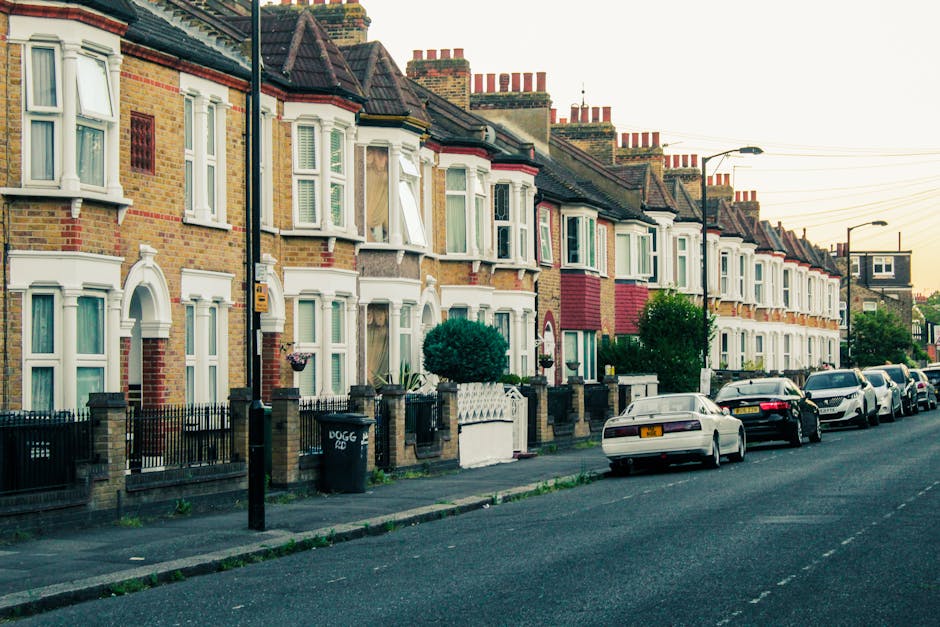
Moving home or relocating a flat around Tooting Broadway can feel simple on paper, and then the van turns up, the road is tighter than expected, and suddenly everyone is doing that awkward shuffle around parked cars. That is exactly why a Tooting Broadway removals guide for narrow streets matters. The area has the kind of real-world complications that can slow a move down fast: narrow roads, busy junctions, short parking windows, awkward stairwells, and neighbours who quite reasonably want the pavement left clear.
This guide breaks down how to plan a move in a tight street, what to expect on the day, and how to avoid the classic mistakes that turn a straightforward removal into a long, sweaty, expensive afternoon. Whether you are moving from a flat above a shop, a terrace with limited kerb space, or a shared house with no lift, the aim is the same: keep it calm, keep it safe, and keep things moving.
Why Tooting Broadway removals guide for narrow streets matters
Tooting Broadway is lively, practical, and very much lived-in. That is part of its appeal. It is also why removals here need a little more thought than a typical suburban move. Narrow streets reduce turning space, parked vehicles limit access, and even a small delay at the curb can ripple through the whole day. If the van cannot stop close enough, every box becomes a longer carry. If the road is too tight for a larger lorry, you may need a smaller vehicle or a shuttle approach. Simple enough in theory. Less simple when you are standing in the rain at 8:10 in the morning wondering where the wardrobe is going to go.
In narrow-street removals, access planning is not a nice extra. It is the move. The difference between a smooth relocation and a frustrating one often comes down to a few details: how far the vehicle can legally and safely park from the property, whether the staircase can take bulky furniture, whether you need extra hands on the day, and whether your packing is strong enough to survive more carrying than usual.
It also matters because stress compounds. If the first room is slow, the rest often becomes slower too. That is where good planning, sensible vehicle choice, and the right support make a real difference. For a lot of people, starting with a man and van service or exploring professional removal services is the most practical way to keep a tight move under control.
How Tooting Broadway removals guide for narrow streets works
A narrow-street move is all about matching the move plan to the street reality. You begin with access, then build the rest around it. Not the other way around. First, you assess the road width, parking options, nearby restrictions, stair access, and whether a larger vehicle would create a blockage. Then you decide on crew size, packing style, vehicle size, and timing.
In practice, the process usually looks like this:
- Check the property access. Look at the road, the front door, the hallway, staircases, and any tight turns inside the building.
- Choose the right vehicle. A compact van may be more workable than a larger lorry if the street is tight or parking is limited.
- Plan the loading point. Decide where the vehicle will stop and how far items will need to be carried.
- Pack for easier handling. Smaller boxes, secure wrapping, and sensible item grouping save time and reduce accidents.
- Schedule the move carefully. Mid-morning can sometimes be calmer than school-run or commuter-heavy periods, but every street is different.
- Keep the route clear. Hallways, landings, and stairs should be free of clutter before loading begins.
The practical difference between a standard removal and a narrow-street removal is often the amount of walking and repositioning. You do not want to discover, halfway through, that the sofa only fits if it is angled, lifted, twisted, and gently negotiated through the doorway while everyone holds their breath. That sort of moment is funny later. Not so much at the time.
If you are moving from a flat, a smaller vehicle and tighter packing plan are usually more effective than trying to force a bigger truck into a street that does not welcome it. That is one reason many people choose flat removals when access is limited.
Key benefits and practical advantages
The best narrow-street removal plans are not just about avoiding problems. They also make the day feel less chaotic. When access is mapped out properly, everything else becomes easier to manage.
- Less downtime. Clear access means less time waiting for the van, less back-and-forth, and a faster start.
- Lower risk of damage. Smaller, better-packed loads are easier to carry through tight spaces without scraping walls or door frames.
- Less neighbour friction. A tidy, efficient move is less likely to annoy nearby residents or block foot traffic.
- Better vehicle choice. You can select a van or truck that suits the street rather than forcing the street to fit the vehicle.
- More predictable costs. Fewer delays and fewer surprises usually help keep the job within the planned scope.
There is also a confidence benefit that people underestimate. If you have already sorted parking, confirmed the access route, and packed in a way that matches the street, you feel more in control. That calm matters. It changes how the whole day feels.
For larger household moves, the same thinking applies, just on a bigger scale. A properly planned house removal or a carefully managed home move will always go better when the narrowest parts of the route are considered first.
Who this is for and when it makes sense
This guide is useful if you are moving from almost anywhere around Tooting Broadway where the street layout makes vehicle access tricky. That includes flats over shops, maisonettes, terraced houses, converted properties, and shared homes with busy pavement space outside.
It makes particular sense for:
- people moving from upper-floor flats with no lift;
- students leaving shared accommodation with limited storage space;
- families moving from older terraced homes on tighter roads;
- small businesses shifting stock or equipment from a narrow frontage;
- anyone with heavy furniture, awkward items, or a short loading window;
- people who need a same-day turnaround and cannot afford delays.
If your move is mostly boxes and a few light pieces of furniture, a small van may be enough. If you have a sofa, a bed, appliances, and several bulky items, you need a better access plan. Truth be told, the street will decide a lot of that for you.
Some moves also benefit from temporary storage if access or timing does not line up neatly. In that case, it can be sensible to look at storage options alongside the move itself.
Step-by-step guidance
If you want the move to feel manageable, follow a proper sequence. Skipping around usually creates extra work later.
- Walk the route before moving day. Check the pavement, the kerb space, any resident bays, the width of the road, and where a van could realistically stop.
- Measure bulky items. Doors, wardrobes, mattresses, sofas, and white goods should be checked against stair turns and entry points.
- Sort parking early. Even if you are not arranging formal parking controls, you should know the likely loading spot and backup plan.
- Pack by carry priority. Put the items you need first near the door, and keep smaller boxes manageable rather than overloaded.
- Protect walls and corners. Use blankets, wrap, and careful handling where the hallway is tight or the stairwell is narrow.
- Load heavy items first. This helps balance the vehicle and reduces awkward reshuffling later.
- Keep a clear communication line. One person should direct loading, especially where there is limited space to manoeuvre.
- Leave a little breathing room. If you think a job will take three trips, allow for four. It sounds cautious, but it saves stress.
A very ordinary example: a two-bedroom flat on a narrow street might look easy until you realise the sofa cannot stay upright on the staircase. The solution is not panic. It is simply to take five minutes, rotate the item, protect the edge, and move with a second person supporting the lower end. Small adjustments like that make the whole day better.
Expert tips for better results
Here is the sort of advice that tends to matter in the real world, not just on a tidy checklist.
- Use smaller boxes than you think you need. Heavy boxes are miserable on narrow stairs. Keep them sensible.
- Label rooms clearly. If the unloading space is tight, clear labels stop boxes piling up in the wrong place.
- Disassemble early. Beds, table legs, and large shelving units are often much easier to move in pieces.
- Protect the floor. Hallway floors in older properties can mark quickly when furniture is dragged or turned.
- Choose the right team size. A move in a narrow street can need one more helper than you would expect.
- Keep a first-night bag separate. Nothing worse than hunting for toothpaste in a pile of kitchen boxes at 9pm.
If your move includes mixed furniture, it may also help to think beyond pure removals and into disposal. Services such as furniture removals or furniture pick-up can make the load lighter and easier to manage.
One small human tip: when a street is especially tight, bring water and don't pretend you won't need it. You will. Especially if you are carrying things up and down stairs on a warm afternoon and the clock keeps moving. A simple thing, but it helps.
Common mistakes to avoid
Most removal headaches in narrow streets come from a few repeat errors. They are predictable, which is annoying, but useful too. Because once you know them, you can sidestep them.
- Booking the wrong vehicle size. Too large can create access issues; too small can mean extra trips and more handling.
- Ignoring stair and doorway measurements. A wardrobe that fits in the room may still fail at the bend in the staircase.
- Overpacking boxes. Heavy boxes slow the move and raise the risk of injury or dropped items.
- Leaving parking to chance. Narrow streets rarely reward improvisation.
- Not clearing the property first. Clutter on landings and in hallways is a classic time-waster.
- Forgetting the weather. A wet pavement, a cold morning, or low light can make carrying slower and less safe.
A lot of people also underestimate how much a move depends on timing. If you start late in a busy street, a small delay can become a bigger one. Sometimes the simple fix is just to begin earlier, and yes, that means a slightly less glamorous morning. Not the end of the world.
Tools, resources and recommendations
You do not need fancy kit for a successful narrow-street move, but the right basics make a noticeable difference.
| Tool or resource | Why it helps | Best used for |
|---|---|---|
| Furniture blankets | Protects furniture and door frames during tight turns | Sofas, wardrobes, cabinets |
| Strong tape and labels | Keeps boxes secure and easy to identify | General packing and room sorting |
| Furniture tools | Makes dismantling and reassembly faster | Beds, tables, shelving |
| Protective gloves | Improves grip and helps with heavier items | Outdoor carries and stair work |
| Professional packing support | Saves time and reduces breakages | Busy households and last-minute moves |
For people who do not want to spend days boxing up the contents of a flat, packing and boxes support or packing and unpacking services can be a very sensible choice. It keeps the move more organised, which matters when the street itself is already working against you a bit.
If you are comparing removal options, looking at a removal van, removal truck hire, or a more flexible man with van service can help you match the vehicle to the space available.
Law, compliance, standards, or best practice
For a narrow-street move in London, the main thing is not to create avoidable obstruction or unsafe handling. You do not need to become a traffic planner, but you should make sure your move respects local parking conditions, keeps pavements usable where possible, and does not place people at risk while furniture is being carried.
Good practice usually includes:
- checking whether any parking restrictions apply on the day;
- avoiding blocked drives, crossings, and access points;
- ensuring the loading route is as clear and short as possible;
- using safe lifting techniques for heavy or awkward items;
- making sure items are secured properly in transit;
- using insured and trained movers where sensible.
If you are booking a removal company, it is worth checking practical safeguards such as insurance and safety information and the company's health and safety policy. That is not overthinking it. It is normal due diligence, especially when you are moving in a cramped environment with valuables, stairs, and a fair bit of heavy lifting.
For business customers, the same principle applies to office or retail moves. Narrow access, tight time slots, and shared buildings call for careful planning, and sometimes a service like office removals or commercial moves is the better fit.
Options, methods, or comparison table
There is no single best way to move in a narrow street. The right method depends on property size, item volume, and how much access you actually have. Here is a straightforward comparison.
| Method | Best for | Advantages | Trade-offs |
|---|---|---|---|
| Small van move | Studios, flats, light household loads | Easier to park and manoeuvre in tight roads | May need more than one trip |
| Man and van | Mixed loads, local moves, flexible schedules | Practical, adaptable, often ideal for narrow streets | Less suited to very large household inventories |
| Full removal crew | Family homes, larger flats, heavier furniture | More hands, faster loading, less strain on you | Needs tighter planning and possibly more space |
| Truck hire | Moves with lots of volume and good access nearby | Good carrying capacity | May be awkward on very narrow roads |
| Storage plus staged move | Complex timings, decluttering, temporary gaps | Reduces pressure on move day | Requires an extra step and a little more planning |
If you are unsure which option fits, a smaller, more flexible approach is usually safer in narrow streets. You can always scale up if the inventory demands it, but you cannot always make a larger vehicle fit where it should not be.
Case study or real-world example
Imagine a top-floor one-bedroom flat near Tooting Broadway with a tight one-way street outside and parked cars on both sides. The move includes a bed frame, mattress, dining table, two chairs, a sofa, six medium boxes, and the usual odd collection of lamps, kitchen bits, and "I should have thrown this out ages ago" items.
On paper, it looks straightforward. In reality, the best result comes from a compact vehicle, a two-person crew, and a very clear loading plan. The largest items go first, the boxes are stacked by room, and the hallway is kept clear so the team can move in and out without that stop-start rhythm that wastes time. The sofa is wrapped before it leaves the flat, because one scratch against a banister in a narrow stairwell can become an annoying memory very quickly.
What made the move work was not speed alone. It was order. The client had measured the key items, packed early, and kept a first-day essentials bag separate. There were no dramatic wins or heroic moments, just a clean sequence and a short final sweep of the property. That is what a good narrow-street move looks like, honestly. A bit boring, which is exactly what you want.
For people moving locally on a tighter budget, comparing removal companies and checking practical options such as pricing and quotes can help you find the right balance between cost and convenience.
Practical checklist
Use this checklist in the days before your move. It is simple, but it covers the things that usually trip people up.
- Measure large furniture and note any awkward turns or door frames.
- Check whether the street has tight parking, one-way access, or regular congestion.
- Confirm the vehicle size is realistic for the road, not just the inventory.
- Book enough help for stairs, heavy items, and tight corners.
- Pack boxes to a sensible weight.
- Label boxes by room and priority.
- Disassemble furniture that would otherwise block the route.
- Keep walkways, landings, and doorways clear.
- Set aside essentials, documents, keys, chargers, and medication.
- Decide what is being moved, sold, donated, or collected separately.
- Have a backup plan if parking space is unavailable.
- Double-check arrival time and access instructions the day before.
If you are at the stage where you want to reduce clutter before the move, you may also want to consider furniture pick-up or even a simple decluttering pass before moving day. Less stuff, less stress. Sounds obvious. Still worth saying.
Get a free quote today and see how much you can save.
Conclusion
A move in Tooting Broadway does not have to be chaotic just because the streets are narrow. With the right planning, the right vehicle, and a sensible approach to packing and timing, you can make the day much easier than it first appears. The main lesson is simple: work with the street, not against it.
That usually means choosing a removal method that suits the access, keeping loads manageable, and making sure everyone involved knows the plan before the van arrives. Small decisions, honestly, but they add up. And in a place where a few metres of kerb space can change the whole rhythm of the move, that attention really counts.
Whether you are moving a flat, a family home, or a small business, the calmest removals are almost always the ones that were planned properly. A bit of care at the start makes the rest feel lighter. And that is a very good feeling on moving day.
Frequently Asked Questions
What makes Tooting Broadway removals difficult in narrow streets?
The main issues are limited parking, restricted turning space, busy pavements, and the extra carrying distance between the vehicle and the property. Those factors can slow a move down and increase the chance of damage if the plan is too ambitious.
Should I choose a small van or a larger truck for a narrow street move?
It depends on the amount you are moving and the actual road access. In many narrow streets, a smaller van or flexible man and van setup is easier to manage. A larger truck only makes sense if the road and parking space can genuinely accommodate it.
How far in advance should I plan a move in Tooting Broadway?
The earlier the better, especially if you need to think about access, parking, or more than one trip. Even a local move benefits from a little lead time, because the street conditions can shape the whole schedule.
Is it worth measuring furniture before moving day?
Yes, absolutely. Measuring bulky pieces helps you avoid unpleasant surprises at stair bends, door frames, and narrow hallways. It is one of the simplest ways to prevent delays.
What kind of packing works best for narrow-street removals?
Smaller, manageable boxes are usually better than large heavy ones. Easy-lift packing reduces strain, speeds up carrying, and makes it less likely that something gets dropped on a tight corner.
Can I use storage if my narrow street move gets complicated?
Yes. Storage can help if you need to move in stages, wait for completion dates, or reduce the amount of furniture going out on the day. It is often a useful pressure valve when timing is awkward.
What should I do about parking on the day of the move?
Check the street layout ahead of time and identify the most realistic loading spot. If parking is limited, build a backup plan. The idea is to minimise waiting and avoid last-minute improvisation.
Is a man and van service enough for a flat in Tooting Broadway?
For many flats, yes. A man and van service can be a smart fit where access is tight and the load is moderate. For larger homes or heavier furniture, a fuller team may be the better choice.
What if my sofa or wardrobe does not fit through the stairwell?
Sometimes the solution is to dismantle the item before moving it. If that is not possible, you may need a different route, a different carrying angle, or professional help. Forcing it is usually where damage happens.
How can I reduce the risk of damage in a narrow hallway?
Protect corners, use blankets or wrap on furniture, clear the route completely, and make sure at least one person is directing the move. Tight spaces are manageable, but they reward patience more than speed.
Are removals in narrow streets more expensive?
They can be, depending on access, labour time, parking difficulty, and the size of the job. That said, good planning can keep costs under control by reducing wasted time and unnecessary handling.
What is the best next step if I am not sure what I need?
Start by listing your items, checking access at both properties, and deciding whether you need a compact van, a larger crew, or storage. If in doubt, speak with a removal provider and give them honest access details. That is usually the fastest route to a realistic plan.